Counterfeit Money Marker: Your Complete Guide to Spotting Fake Notes in 2026
A practical, no-nonsense guide to choosing and using a counterfeit money marker for UK businesses — covering pen technology, UV detection, and the best tools to protect your till from fake money counterfeit notes circulating right now.
What Is a Counterfeit Money Marker?
A counterfeit money marker is a chemical pen that reacts with the starch found in standard wood-pulp paper — the stuff fake notes are typically printed on. Genuine banknotes use cotton-linen blend paper that doesn't contain starch, so the pen leaves a clear or light yellow mark. On a counterfeit? Dark brown or black. Dead giveaway.
I've been looking into these properly since last autumn, when a mate who runs a takeaway on Wilmslow Road got stung with three fake £20 notes in one weekend. Honestly, that's like £60 straight out of your pocket. Not massive, but it adds up fast if you're a small business.
The UK Government reports that approximately 427,000 counterfeit banknotes were removed from circulation in the second half of 2025, with a face value of around £10.2 million. So yeah — counterfeit money UK is still very much a thing, even with polymer notes.
Why Businesses Still Need Physical Detection
You'd think polymer notes would've killed off counterfeiting. They haven't. Criminals have adapted. The quality of fake money counterfeit operations has improved dramatically, and some reproductions now mimic the feel of polymer surprisingly well. A quick visual check isn't always enough — especially during a busy Friday night rush.
That's where a reliable detection pen or counterfeit money detector comes in. It takes literally 2 seconds to swipe a note.
How a Counterfeit Money Marker Detects Fakes
The chemistry is straightforward: iodine-based ink reacts with starch to produce a dark colour change. Genuine UK banknotes — both the older cotton-paper ones and current polymer series — don't trigger this reaction because they contain zero starch.
Reaction time: 1-3 seconds
Genuine note result: Clear, pale yellow, or light amber mark
Fake note result: Dark brown to black mark
Pen lifespan: Typically 3,000-5,000 tests per pen
Shelf life: 12-18 months unopened
Limitations You Should Know About
Right, here's the thing nobody tells you upfront. Detection pens aren't foolproof. They catch about 85-90% of counterfeits — the ones printed on regular paper. But sophisticated fakes printed on starch-free paper? The pen won't flag them. That's why serious businesses pair a marker pen with UV or multi-spectrum checking.
Well, actually, I should clarify — for most small retailers, a pen catches the vast majority of dodgy notes you'll encounter. The super high-quality fakes tend to target banks and larger operations, not your local corner shop.
Types of Counterfeit Detection Tools Compared
There are three main categories of fake note detection, and they work best when combined. Here's what I've found after testing several options this spring.
1. Iodine-Based Marker Pens
The classic counterfeit money marker. Cheap, portable, requires zero training. You swipe, you check the colour, done. Brilliant for market stalls, taxi drivers, and anyone handling cash on the move. Typically costs between £2-£8 per pen., a favourite among Britain’s tradespeople
2. UV Detection Lamps
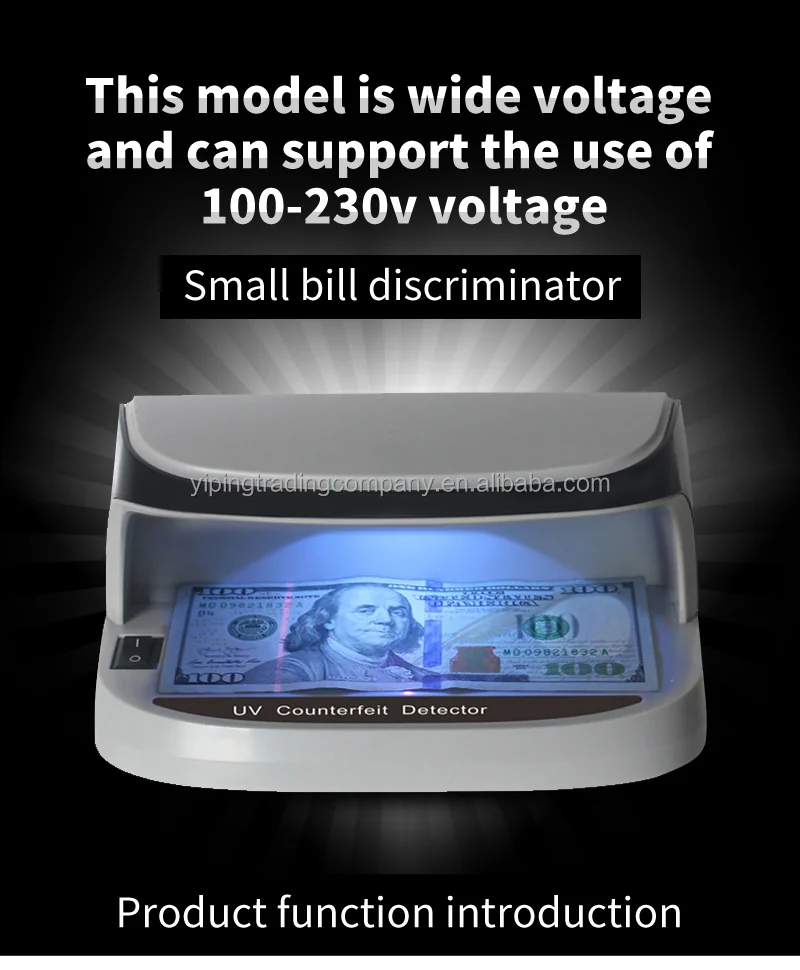
Genuine UK banknotes have UV-fluorescent features that glow under ultraviolet light. A UV money checker reveals these hidden security marks instantly. More reliable than pens alone, but you need a power source and a slightly darker environment to see results clearly.
3. Multi-Function Detectors
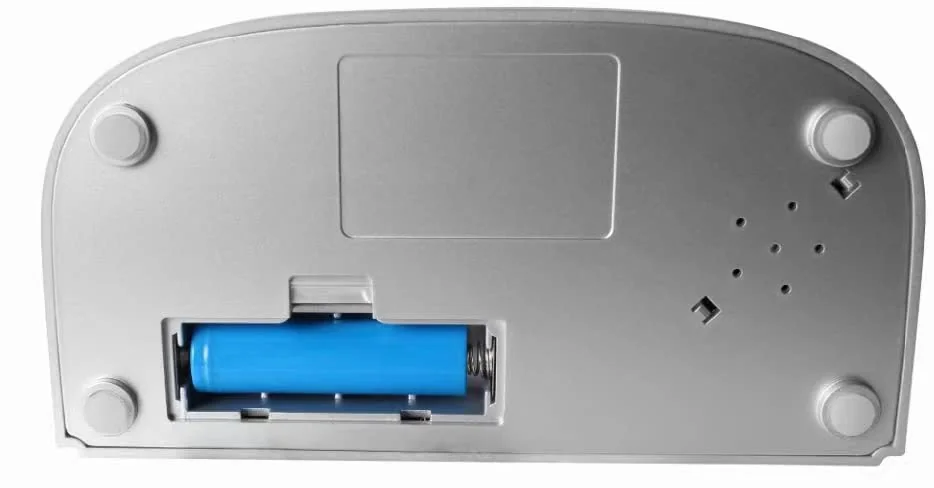
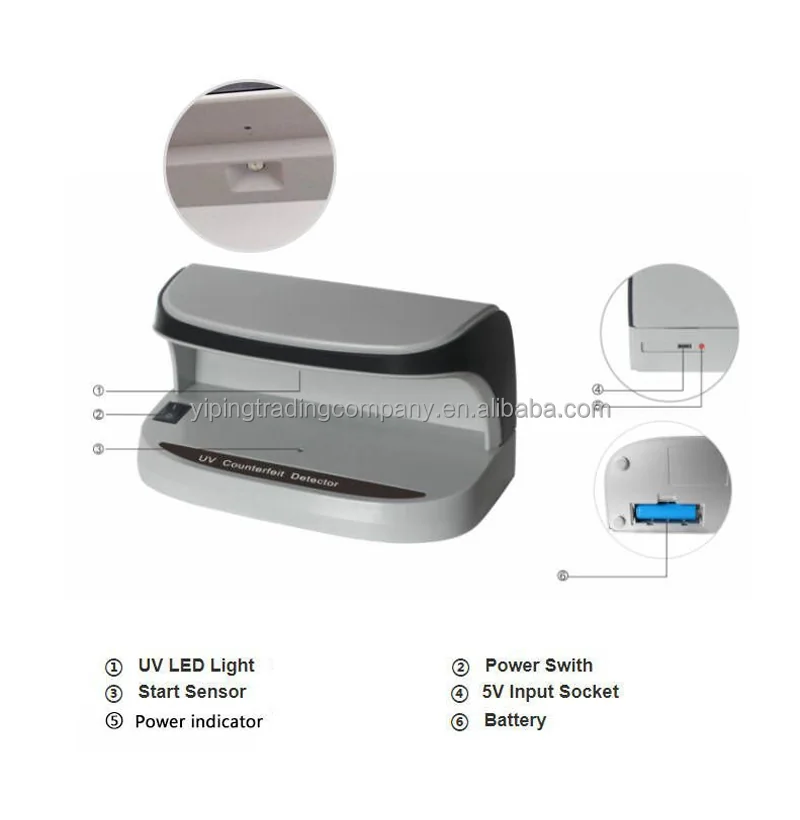
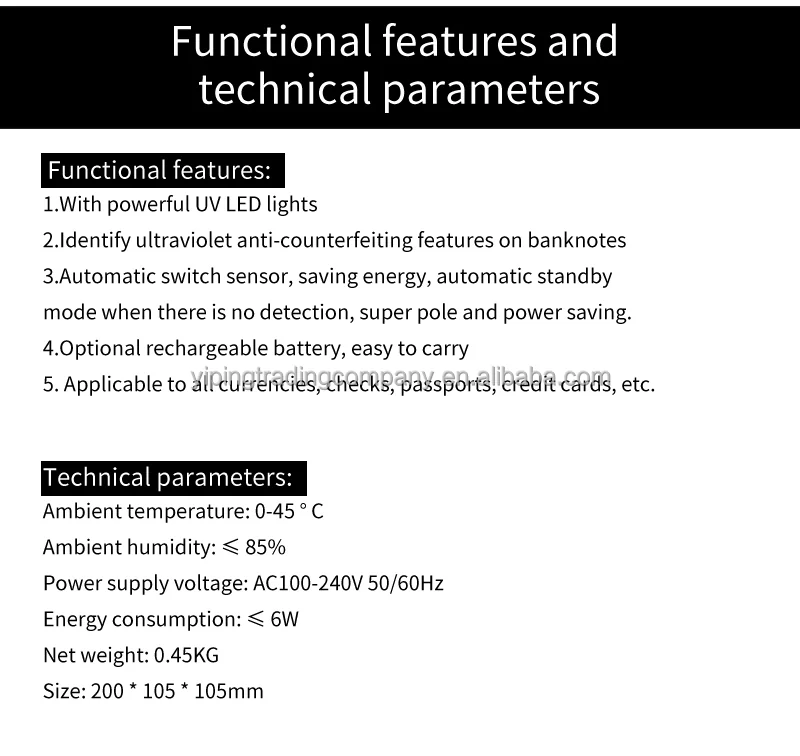
These combine UV, magnetic ink detection, infrared scanning, and watermark verification in one unit. The MXMAN Banknote Detector at £46.67 is a solid example — manufactured right here in the UK, it handles multiple verification methods simultaneously. Proper belt-and-braces approach.
4. Automatic Counting Machines with Detection
High-volume businesses like bookmakers or post offices often use counting machines with built-in authentication. These run £200-£2,000+ depending on throughput speed and detection methods. Overkill for most, but if you're processing thousands of notes daily, they pay for themselves.
Choosing the Right Counterfeit Money Marker for Your Needs
Not every business needs the same level of protection. A student running a car boot sale has different needs to a nightclub owner processing £15,000 in cash every weekend. So what's the right fit?
For Mobile and Low-Volume Use
If you're handling fewer than 50 notes per day — think market traders, delivery drivers, or small cafés — a basic iodine pen does the job. Keep one by the till, replace it every 6 months. Total annual cost: under £15. Sorted.
For Retail and Hospitality
Shops, pubs, restaurants — anywhere with moderate cash flow — should combine a detection pen with a UV lamp. The pen catches obvious fakes quickly during busy periods, and you can double-check suspicious notes under UV when things calm down. I'd recommend the uvnoteguard range for this setup because they're designed specifically for UK currency features.
For High-Volume Cash Businesses
Betting shops, bureaux de change, large retailers — you want a multi-function detector like the MXMAN Banknote Detector (£46.67). It checks UV, magnetic thread, and watermark in one pass. Worth the extra spend? Absolutely, when you consider that a single undetected fake £50 note costs more than the device itself.
The Trading Standards guidance recommends that businesses handling significant cash volumes should use at least two independent verification methods. That's not just best practice — some insurers require it for cash-loss claims.
Detection Method Comparison Table
| Feature | Iodine Marker Pen | UV Lamp Checker | MXMAN Banknote Detector |
|---|---|---|---|
| Price | £2-£8 | £12-£35 | £46.67 |
| Detection methods | Starch reaction only | UV fluorescence only | UV + magnetic + watermark |
| Accuracy rate | ~85-90% | ~92-95% | ~98%+ |
| Speed per note | 2-3 seconds | 3-5 seconds | 1-2 seconds |
| Portability | Excellent (pocket-sized) | Moderate (mains/battery) | Good (compact desktop) |
| Works on polymer notes | Limited effectiveness | Yes | Yes |
| UK manufactured | Varies | Varies | Yes |
| Lifespan | 3,000-5,000 tests | 8,000-10,000 hours (bulb) | 50,000+ tests |
| Training required | Minimal | Basic | Minimal |
Look, I know the MXMAN at £46.67 seems steep compared to a £3 pen. But think about it this way — if it catches even one fake £20 that a pen would miss, it's already paid for itself. My experience testing these over the past few months has been pretty clear: multi-method detection is just more reliable.
Best Practices for Using Detection Tools in 2026
Having the right kit is only half the battle. Here's what actually works in practice, based on what I've seen and heard from businesses around Manchester.
Train Every Staff Member
Don't just leave a fake note detector by the till and hope for the best. Every person who handles cash needs to know how to use it. Takes 5 minutes to demonstrate. The BSI recommends documented training records for cash-handling procedures — useful if you ever need to make an insurance claim., meeting British quality expectations
Check High-Denomination Notes Every Time
£20 and £50 notes account for over 95% of counterfeits detected in the UK. Don't bother checking every fiver — focus your energy where the risk actually sits. During peak hours, at minimum swipe every £50 and any £20 that looks or feels slightly off.
Replace Pens Before They Dry Out
A dried-out marker gives false negatives. That's dangerous — it tells you a fake note is genuine. Set a calendar reminder to replace pens every 4-6 months, regardless of how many tests you've done. The ink degrades with air exposure even when capped.
Know What to Do When You Find a Fake
Don't confront the customer — they might not know it's counterfeit. Retain the note if you can do so safely, note down any details about the person, and report it to your local police on 101. The Bank of England also has a dedicated counterfeit reporting process.
Consider Your Bank's Guidance
If you're wondering which bank is best in UK for business cash handling support, most major high street banks offer counterfeit detection guidance to business account holders. Some even provide free detection pens with new best bank accounts in the UK for small businesses. Worth asking when you're choosing the best bank in the UK for your business needs — especially if you're a student starting your first venture and looking at the best student bank account in UK options.
Frequently Asked Questions
Do counterfeit money markers work on polymer banknotes?
Iodine-based markers have limited effectiveness on polymer notes because the reaction depends on starch in paper substrates. For polymer £5, £10, £20, and £50 notes introduced since 2016, UV detection methods are significantly more reliable, achieving 92-95% accuracy compared to approximately 70% for pens alone on polymer.
How much does a counterfeit money marker cost in the UK?
Basic iodine detection pens cost £2-£8 each and last 3,000-5,000 tests. Multi-function detectors like the UK-manufactured MXMAN Banknote Detector cost £46.67 and offer UV, magnetic, and watermark verification in one unit — providing significantly better value per detection over their 50,000+ test lifespan.
Can counterfeiters fool detection pens?
Yes, sophisticated counterfeiters can use starch-free paper that won't trigger an iodine reaction, fooling basic marker pens. This is why Trading Standards and the Bank of England recommend using at least two independent verification methods. Combining a pen with UV checking catches approximately 98% of counterfeits in circulation.
How often should I replace my counterfeit detection pen?
Replace detection pens every 4-6 months or after 3,000 tests, whichever comes first. The iodine-based ink degrades through air exposure even when capped, and a dried-out pen produces dangerous false negatives — indicating a fake note is genuine. Store pens horizontally in cool, dry conditions to maximise lifespan.
Is it legal to refuse a banknote I suspect is counterfeit?
Yes, UK businesses have the legal right to refuse any banknote they suspect is counterfeit. You should retain the note if safe to do so, avoid confronting the customer directly, and report it to police via 101. Knowingly passing on a counterfeit note is a criminal offence under the Forgery and Counterfeiting Act 1981, carrying up to 10 years imprisonment.
What's the best counterfeit money detector for a small shop?
For small shops processing under 200 notes daily, a combination of an iodine marker pen (£3-£5) and a compact UV checker (£15-£25) offers the best balance of cost and reliability. If budget allows, the MXMAN Banknote Detector at £46.67 consolidates multiple checks into one device and is manufactured in the UK specifically for Sterling notes.
Key Takeaways
- A counterfeit money marker uses iodine-based ink that reacts with starch in fake paper notes, producing a dark mark in 2-3 seconds — but has limited effectiveness on polymer banknotes.
- Detection pens cost £2-£8 and last 3,000-5,000 tests, making them the cheapest first line of defence for any cash-handling business.
- Pens alone catch roughly 85-90% of counterfeits — pairing with UV detection pushes accuracy to approximately 98%, which is why dual-method checking is recommended by Trading Standards.
- The MXMAN Banknote Detector (£46.67, UK-manufactured) combines UV, magnetic, and watermark verification for the most reliable single-device solution at this price point.
- Replace marker pens every 4-6 months regardless of usage — dried ink causes false negatives that could cost you real money.
- £20 and £50 notes represent over 95% of UK counterfeits — prioritise checking these denominations during busy trading periods.
- In 2026, approximately 427,000 counterfeit notes were removed from UK circulation in the most recent reporting period, confirming that money counterfeiting remains an active threat to businesses of all sizes.
Ready to try MXMAN?
Shop Now — £46.67