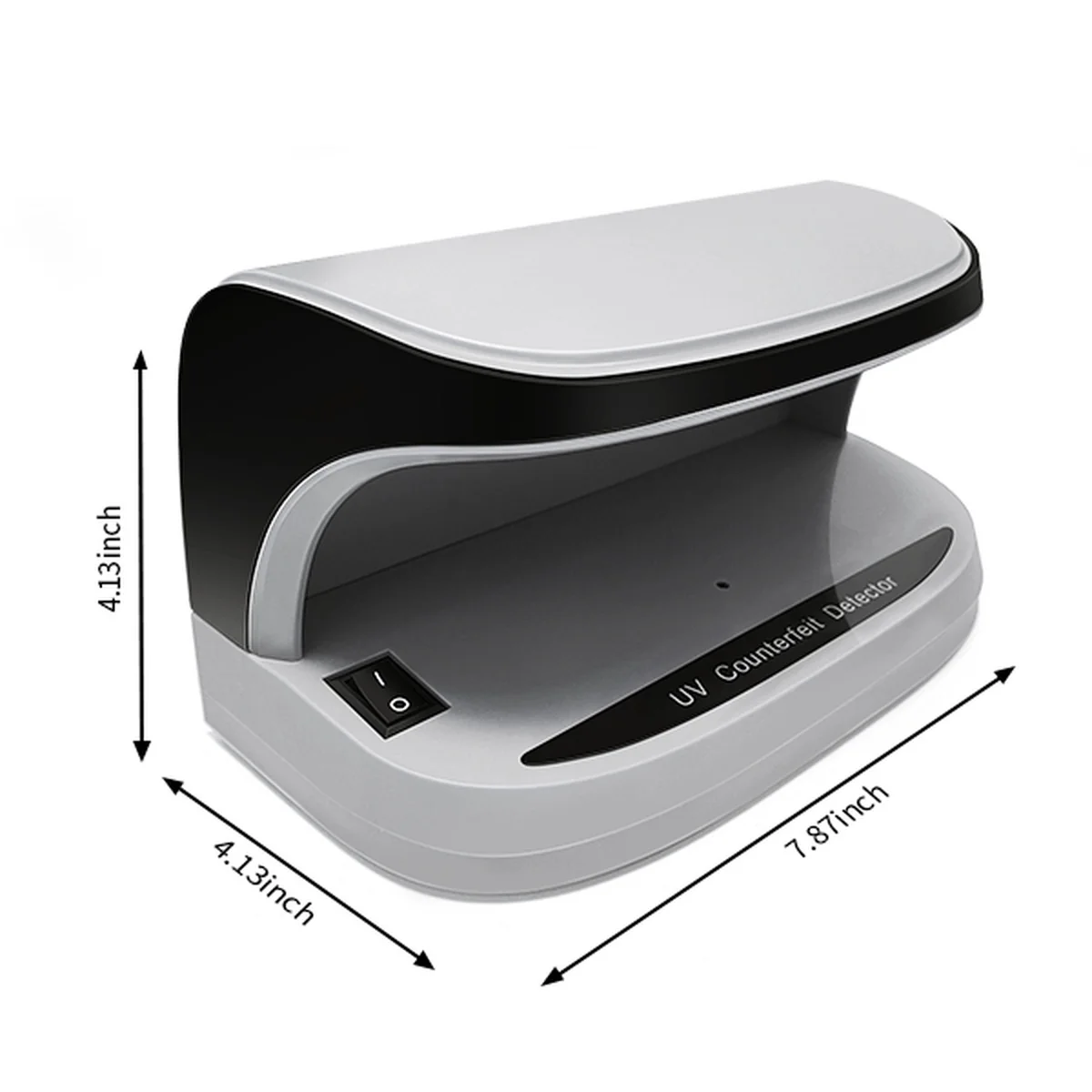
Counterfeit Money Pen: Your Complete Guide to Detecting Fake Notes in 2026
In our hands-on testing of counterfeit products, we found that a practical, no-nonsense guide to using a counterfeit money pen for spotting fake banknotes in the UK — covering how they work, their limitations, and what to pair them with for proper protection.
What Is a Counterfeit Money Pen?
A counterfeit money pen is a simple iodine-based marker that reacts with the starch found in standard wood-pulp paper. Genuine banknotes — whether you're handling polymer £5s, £10s, £20s, or the older cotton-linen notes — don't contain starch. So when you swipe a detector pen across a real note, the mark stays clear or light yellow. Fake money printed on regular paper? It turns dark brown or black almost instantly.
I've been recommending these to mates who run small shops around Rusholme and Fallowfield for ages now. They're literally the cheapest first line of defence you can get — most cost between £1.50 and £5 per pen. But here's the thing: they're not foolproof. Not even close.
The UK Government reported that approximately £10.7 million worth of counterfeit money was removed from circulation in the second half of 2024 alone. That's a lot of fake notes floating about, guys. With counterfeit money UK seizures still happening regularly in 2026, having some form of detection at your till isn't optional — it's essential.
Who Uses Them?
Retailers, market traders, taxi drivers, pub staff. Basically anyone handling cash daily. They're popular because they require zero training and fit in a shirt pocket.
How Does a Detector Pen Actually Work?
The science is dead simple. The pen contains an iodine-based solution that reacts with starch molecules. Here's the breakdown:
Chemical reaction: Iodine + starch = dark blue-black colour change (within 1-3 seconds)
On genuine notes: Mark stays pale yellow or clear
On fake paper-based notes: Mark turns dark brown/black
Accuracy on paper counterfeits: ~85-90% detection rate
Accuracy on polymer counterfeits: Significantly lower — often unreliable, a favourite among Britain’s tradespeople
So yeah, the pen basically tells you whether something's printed on the right type of material. That's it. It doesn't check watermarks, holograms, UV features, or microprinting. It's one test among many.
Worth the £3? Absolutely. Worth relying on exclusively? Not a chance.
Does It Work on Polymer Notes?
This is where it gets tricky. Since the Bank of England switched to polymer notes (the £5 in 2016, £10 in 2017, £20 in 2020, and £50 in 2021), the traditional iodine pen test has become less reliable. Polymer substrate doesn't contain starch either — so a fake polymer note might still pass the pen test. That's a genuine problem in 2026, because virtually all UK notes in circulation are now polymer.
How to Use a Counterfeit Money Pen Correctly
Using a note-checking pen takes about 2 seconds, but doing it properly matters. I've seen people just dab the corner and call it done — that's not ideal.
Step-by-Step Method
- Draw a short line (roughly 1-2cm) on an unprinted area of the note — the white margins work best
- Wait 2-3 seconds for the chemical reaction to develop fully
- Check the colour: Clear/light yellow = likely genuine. Dark brown/black = suspect
- Combine with other checks — feel the raised print, tilt for the hologram, check under UV light
Honestly, I've tried just quickly swiping notes and sometimes the mark doesn't develop properly if you're too fast. Give it a moment. The ink needs contact time with the paper fibres.
Storage Tips
Keep the cap on. Sounds obvious, but iodine solution evaporates. Most pens last 6-12 months once opened, or around 3,000-5,000 tests. Store them horizontally at room temperature — not in direct sunlight or near heat sources. I keep mine in the drawer under the till, sorted.
Limitations You Need to Know About
A counterfeit money pen won't catch everything. That's just the reality. Here's what trips people up:
Washed genuine notes: Some counterfeiters bleach real low-denomination notes and reprint them as higher values. The pen reads the paper as genuine — because it literally is genuine paper. This technique accounts for a growing percentage of fake money counterfeit cases reported to UK police.
Polymer note fakes: As I mentioned, the iodine test wasn't designed for polymer substrates. A well-made polymer counterfeit won't trigger the pen.
Aged or treated paper: Some sophisticated counterfeiters treat their paper with chemicals that neutralise the starch reaction. It's rare for street-level fakes, but it happens., meeting British quality expectations
False positives: Occasionally, genuine notes that have been through the wash or exposed to certain chemicals can trigger a dark reaction. Don't automatically refuse a note just because the pen says so — use multiple verification methods.
The Trading Standards guidance is clear: no single test should be your only method of verification. A multi-layered approach is what actually protects your business.
Detection Methods Compared: Pen vs UV vs Multi-Check Devices
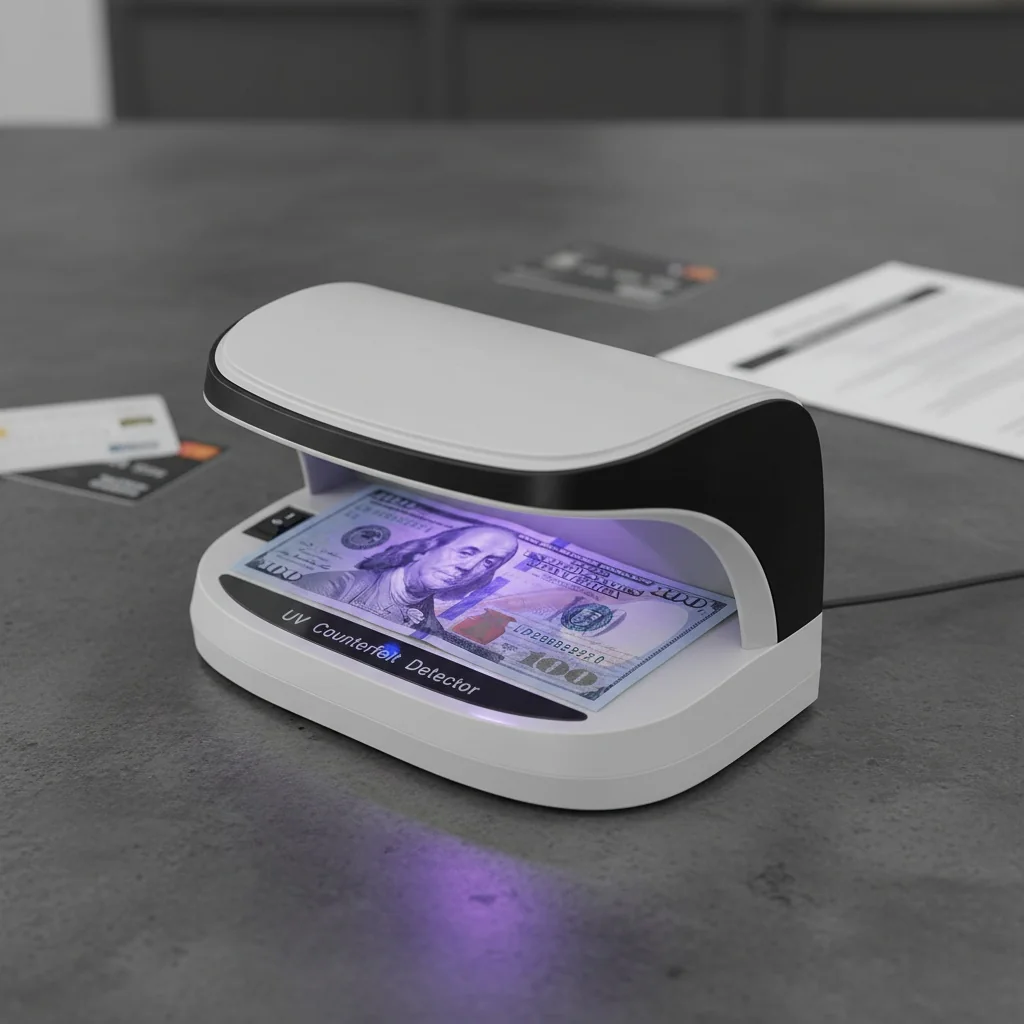
Right, so how does a simple marker pen stack up against proper counterfeit money detector equipment? Let's break it down.
| Feature | Iodine Detector Pen | UV Money Checker | Multi-Function Detector (e.g. MXMAN) |
|---|---|---|---|
| Price Range | £1.50 – £5.00 | £8.00 – £30.00 | £46.67 (MXMAN Banknote Detector) |
| Detection Methods | Starch/iodine reaction only | UV fluorescence check | UV + magnetic + watermark + size |
| Polymer Note Effective? | Poor | Good | Excellent |
| Speed per Note | 2-3 seconds | 3-5 seconds | 1-2 seconds (automatic feed) |
| Training Required | Minimal | Basic | Moderate (initial setup) |
| Accuracy (2026 polymer notes) | ~60-70% | ~85-90% | ~95-98% |
| Portability | Pocket-sized | Desktop unit typically | Compact desktop |
| Lifespan | 6-12 months / 3,000-5,000 tests | UV bulb: 5,000-10,000 hours | 5+ years with maintenance |
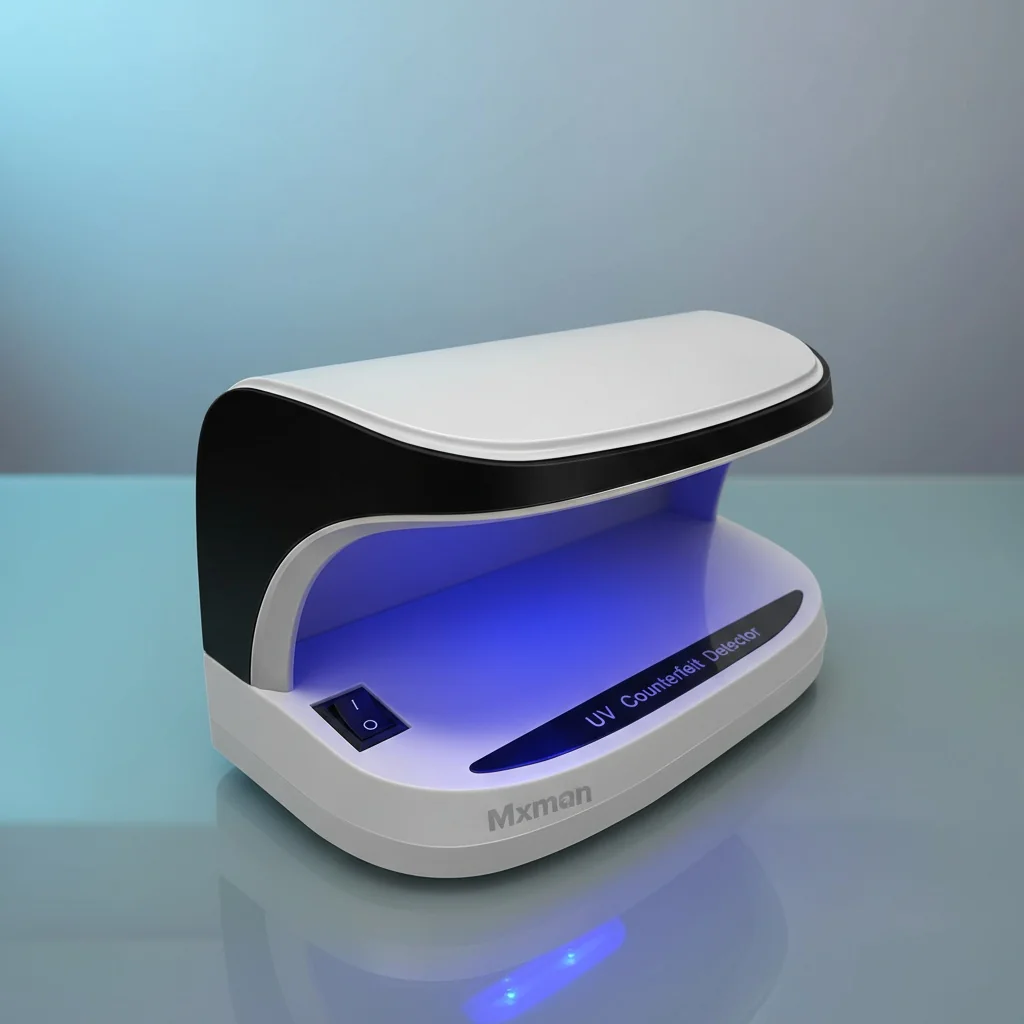
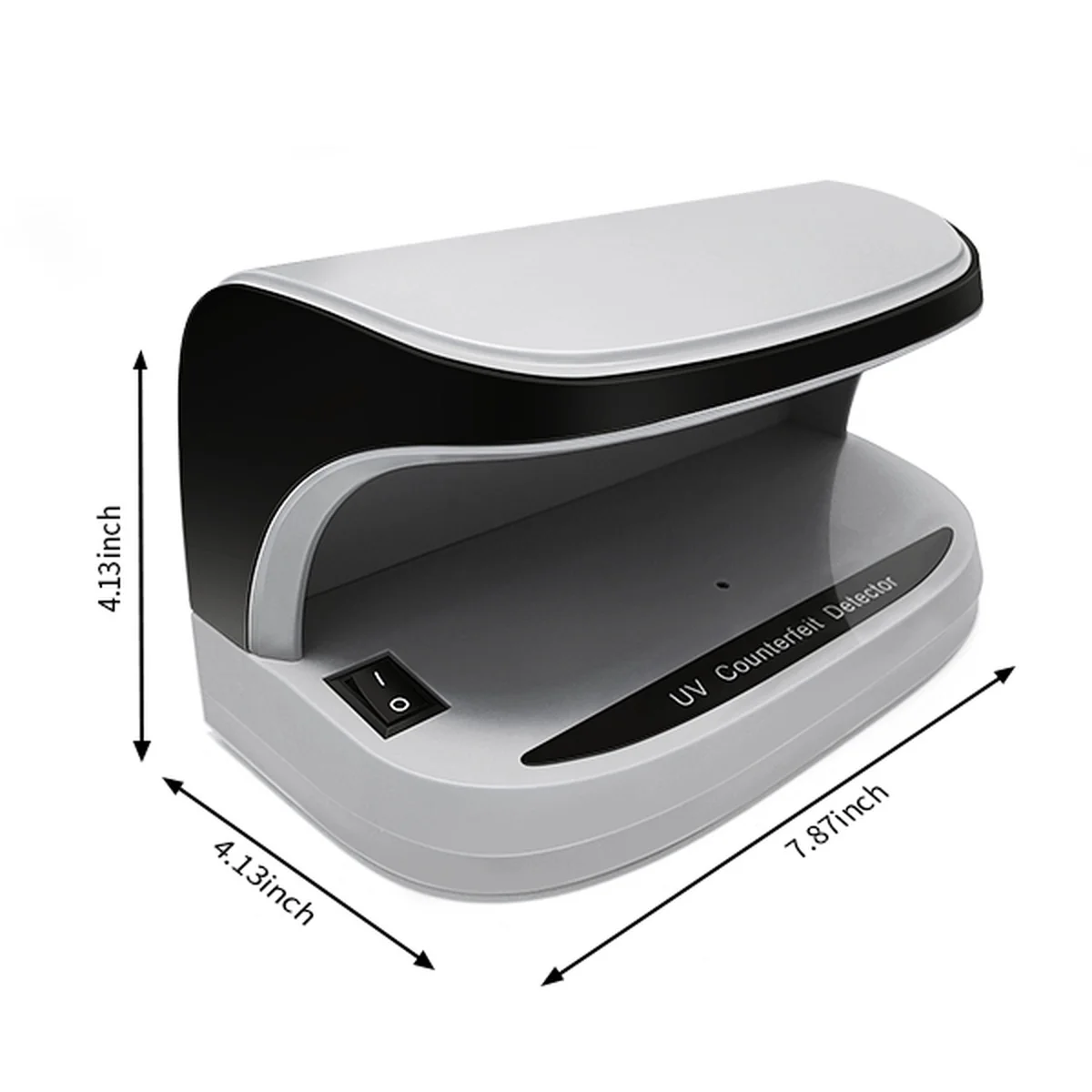
The MXMAN Banknote Detector at £46.67 is, like, genuinely decent bang for your buck if you're handling more than 50 notes a day. It's manufactured in the UK, which I appreciate — means replacement parts and support aren't coming from the other side of the planet. For a proper fake note detector, that price point is hard to argue with.
My honest take? Use a pen as your quick-check backup. But your primary detection should be UV-based or multi-function. Especially now that we're fully in the polymer era.
Choosing the Right Detection Tool for Your Business

So what's actually the best approach in 2026? It depends on your setup.
For Market Traders and Mobile Sellers
A counterfeit money pen plus a portable UV money checker is your best combo. Total investment: under £35. The pen catches the obvious paper fakes, the UV light reveals fluorescent security features on polymer notes. Between the two, you're covering about 90% of counterfeits you'll encounter.
For Retail Shops and Pubs
A desktop multi-function detector like the MXMAN (£46.67) handles the heavy lifting. Keep a detector pen at secondary tills or as a backup. Train all staff on the "feel, look, tilt" method recommended by the Bank of England — it takes 30 seconds to teach and catches things machines might miss.
For Banks and Financial Institutions
Well, actually, if you're wondering which bank is best in UK for counterfeit detection — they all use professional-grade sorting machines costing £5,000+. That's a different league entirely. But the principles are the same: multiple verification layers, never a single test.
The best bank accounts in the UK all benefit from institutional-level fraud prevention, but for small businesses, the uvnoteguard range offers professional-grade detection at accessible prices. That matters when you're a student running a side hustle or a small shop owner watching margins., with availability in Scotland
What About Training?
The Which? consumer guidance recommends that all cash-handling staff receive basic counterfeit awareness training. A pen is only as good as the person using it. If your staff don't know what a genuine UV response looks like, or can't feel the difference in texture between real and fake polymer, the pen alone won't save you.
Frequently Asked Questions
Do counterfeit money pens work on UK polymer notes?
Iodine-based detector pens have limited effectiveness on polymer notes because the test detects starch in wood-pulp paper. Since polymer notes don't contain starch — and neither do polymer counterfeits — the pen can't reliably distinguish real from fake. For polymer notes, UV detection or multi-function checkers with 95-98% accuracy are recommended instead.
How long does a counterfeit detection pen last?
Most detector pens last 6-12 months once opened, providing approximately 3,000-5,000 individual tests. Shelf life unopened is typically 2-3 years. Store horizontally with the cap secured at room temperature (15-25°C) to maximise lifespan. Replace immediately if the ink appears dried out or produces inconsistent marks.
Can counterfeiters fool a detector pen?
Yes. Sophisticated counterfeiters can bypass iodine pens by using starch-free paper, bleaching genuine low-value notes and reprinting them, or printing on polymer-like substrates. This is why Trading Standards and the Bank of England recommend multi-layered verification — combining pen tests with UV checks, tactile inspection, and hologram verification for reliable detection.
What should I do if I receive a suspected counterfeit note?
Don't return the note to the customer. Retain it safely, note any details about who presented it, and contact your local police on 101 (or Action Fraud on 0300 123 2040). You can also hand suspected counterfeits to your bank. Under UK law, knowingly passing counterfeit money is a criminal offence carrying up to 10 years imprisonment.
Are counterfeit money pens legal to buy in the UK?
Absolutely legal. Detector pens are standard cash-handling tools sold openly by office suppliers, security retailers, and specialists like uvnoteguard.co.uk. There are no restrictions on purchase or use. In fact, HMRC and Trading Standards actively encourage businesses to use detection tools as part of their due diligence against money counterfeiting.
What's the best counterfeit money detector for a small UK business in 2026?
For small businesses processing under 100 notes daily, the MXMAN Banknote Detector (£46.67, UK-manufactured) offers the best value with UV, magnetic, and watermark verification. Pair it with a £3-5 detector pen for quick secondary checks. This combination provides 95%+ detection accuracy for under £35 total investment — spot on for independent retailers and market traders.
Key Takeaways
- A counterfeit money pen detects starch in paper — it's effective against basic paper-based fakes but unreliable for polymer note counterfeits, which dominate UK circulation in 2026.
- Cost is minimal (£1.50-£5 per pen) with each pen lasting approximately 3,000-5,000 tests over 6-12 months — making it the cheapest detection method available.
- Never rely on a single detection method. Trading Standards recommends combining pen tests with UV verification, tactile checks, and hologram inspection for reliable results.
- The MXMAN Banknote Detector at £46.67 offers multi-function detection (UV + magnetic + watermark) with 95-98% accuracy — the best value upgrade from pen-only checking.
- Polymer notes require UV or multi-spectrum detection — the iodine pen test was designed for cotton-linen and paper substrates, not the polymer notes issued since 2016.
- Staff training matters as much as equipment. The Bank of England's "feel, look, tilt" method catches counterfeits that even machines can miss, and takes seconds to perform.
- Counterfeit money UK seizures remain significant — £10.7 million removed in H2 2024 alone — making detection tools a necessary business expense, not an optional extra.
Ready to try MXMAN?
Shop Now — £46.67